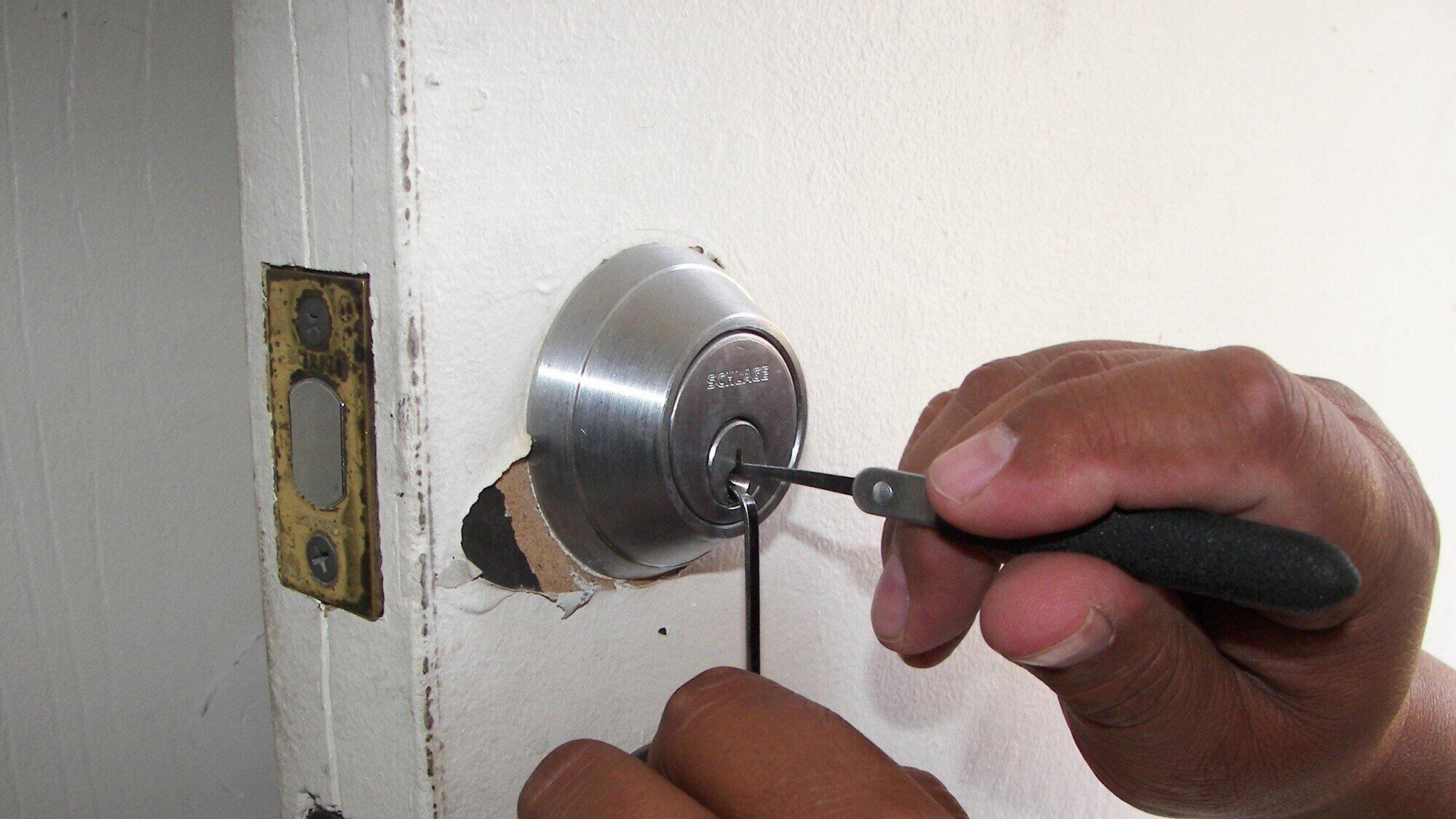
When you realize a key broke inside a lock, all is not lost. The best immediate step is to avoid forcing the lock and focus on gentle removal using the right tools.
Extra pressure can push the key fragment deeper into the cylinder or damage it, leading to higher repair costs. A broken key can throw off your entire day, leaving you locked out and worrying about security.
You can save the day and do it safely with a few expert locksmith tips that won't break your budget or the lock.
What Happens if a Key Breaks in a Lock?
When a key breaks inside a lock, the first impact is on the lock mechanism. The remaining fragment can jam the cylinder, making it impossible to turn the lock or remove the key. Even a tiny fragment lodged inside can cause damage.
The immediate risk is being locked out of your home, vehicle, or office. Attempting to force the lock while the key is stuck can bend pins, damage the cylinder, or break the lock entirely.
Why Would a Key Snap in a Lock?
Keys usually break because the metal weakens. Worn or low-quality keys, misaligned lock components, and repeated use also increase the likelihood of a snap. A lock with aging or damaged parts is another factor.
External factors can make the problem worse. Rust, temperature changes, and excessive force can stress both the key and the lock, resulting in a sudden break.
Knowing the cause helps you identify whether gentle removal tools or a professional locksmith is your best next step.
Safe Removal of a Broken Key
Broken key removal requires careful handling. The goal is to free the fragment without damaging the cylinder. Most local hardware stores carry the tools you need.
Here's the list:
- Key extractor kit
- Needle-nose pliers
- Lubricant spray
- Tweezers
- Small hook tool
- Flashlight
The key is to move slowly and position each tool precisely. Deliberate, careful actions improve the chances of removing the key safely while protecting the cylinder and pins.
Your Key Broke Inside a Lock: DIY Dangers
DIY solutions can seem convenient, but they have limitations. Without the right tools or experience, your attempts can bend the key, damage pins, or even break the lock, turning a minor issue into an expensive repair.
Dos:
- Wiggle the key gently with pliers
- Use a proper key extractor
- Apply light lubricant if needed
Don'ts:
- Don't force tools into the lock
- Avoid makeshift hooks or wires
- Don't twist the key excessively
- Stop if the key is deeply jammed
When a key is stubborn or the lock is old, it's best not to try DIY lock fixing. Calling an expert like Urgent Lock & Key Emergency Locksmith is a more effective option.
A professional locksmith can remove the fragment cleanly and likely save the lock.
Knowing When to Call the Pros
Some locks won't give up a broken key easily, and subtle issues can trip up even careful DIY attempts. Professional locksmiths spot tricky key angles, worn pins, and other hidden challenges that can make extraction more complicated.
Their tools and techniques let them tackle problems most DIYers wouldn't notice.
Some situations warrant an immediate call to a professional. If you have a high-security or electronic lock, you probably can't remove the broken key on your own.
Antique or unusually complex locks are also better handled by a locksmith.
If you're dealing with a deeply jammed key, attempting to remove it may damage the lock. Finally, locks with visible wear or rust are usually ready for replacement anyway, so why not let a locksmith take care of both the broken key and the worn-out lock?
Locksmith Solutions to Prevent Lock and Key Emergencies
Your key broke inside a lock and ruined your day, but you could have avoided the situation if only you'd had a few solutions in your back pocket. A few simple habits can prevent emergencies, and they're all things professionals recommend every day.
- Inspect keys for cracks or bends
- Lubricate locks with graphite or silicone
- Avoid forcing sticky or stiff locks
- Make spares from new keys
- Replace worn or low-quality keys
Frequently Asked Questions
Can a Broken Key in a High-Security Lock Be Removed Without Replacing the Lock?
Often yes, but it depends on the specific lock and how the key broke. Experienced locksmiths have specialized tools to remove fragments from high-security locks without replacing the cylinder.
Keep in mind that damage to the lock during extraction may make replacement necessary.
How Do Locksmiths Handle Broken Car Keys With Chips or Transponders?
Professional automotive locksmiths use specialized tools and techniques to carefully extract the broken fragment without damaging the chip or transponder. Once removed, the key can be reprogrammed or duplicated to work with the vehicle's immobilizer system.
DIY attempts risk damaging the electronics and leaving the car inoperable.
Will My Insurance Cover Damages Caused by a Broken Key or Lock Repair?
Coverage varies by policy. Some homeowner or renter insurance policies may cover the cost of lock repair or replacement if the damage is caused by vandalism or theft, but not if it's due to wear and tear.
Auto insurance doesn't usually cover broken key repair costs. It's best to check the policy details or contact your provider for confirmation.
Can a Locksmith Make a New Key on the Spot?
Many automotive locksmiths can cut and program a replacement key immediately, but it depends on the make and model of the vehicle. If you're dealing with a broken key to your home or business, those keys can often be cut on the spot as well.
Stress-Free Broken Key Removal Is Possible
Discovering that your key broke in a lock doesn't need to ruin the day. If you're not successful on your own, a call to a professional locksmith will get you in or out without causing more stress.
We're always on the lookout for tips to keep you safe. Find more articles on home and vehicle safety in our lifestyle section.
This article was prepared by an independent contributor and helps us continue to deliver quality news and information.


